


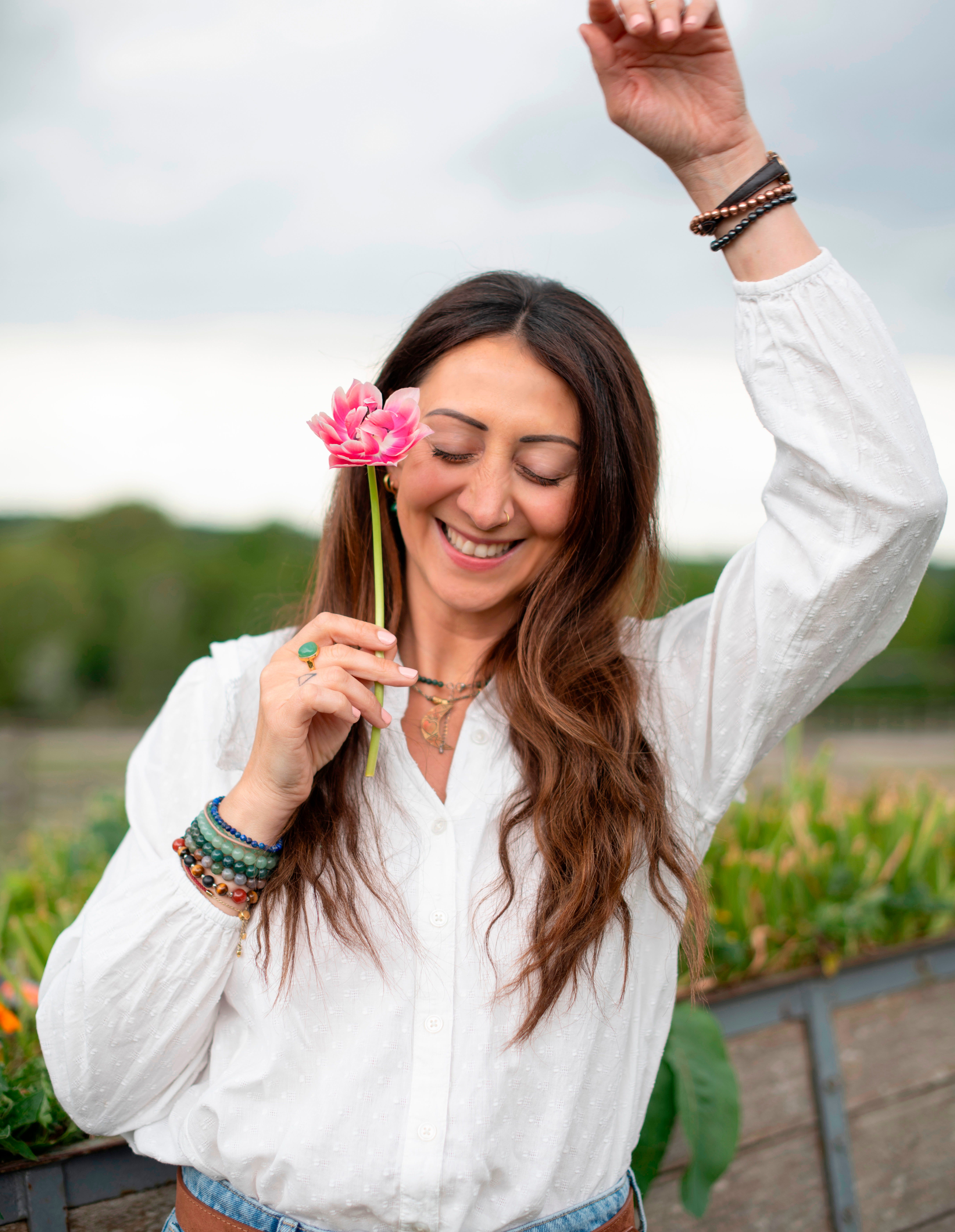
Let’s start with the important stuff… it’s pronounced vak-neen. Believe it or not, for Moroccan Jews, it’s like Smith. Super common. Meanwhile, have had to spend my life correcting the many pronunciations of my last name (Vak9, Vaccine; oh, the irony…)
Now we’ve got that out the way, I thought I’d tell you a bit about my story, because I always think it helps when you understand the context of what’s being written, the journey that informed the worldview of the person writing something you’re reading.
My journey is a big, winding, unique and interesting one, and I’d love you to come along while I take you through it; you may even pick up a few tips or nuggets along the way.
It’s not a short story, but does anyone ever really have a short story to their life? I always like the longer versions…
The diagnosis
I was diagnosed with Juvenile Rheumatoid Arthritis at the age of two, and Uveitis in my right eye the year following that. My poor parents didn’t know what to do; in 1986 there weren’t many options. They researched as much as they could and decided that the high doses of oral steroids the doctors wanted to prescribe were too toxic an option for a two-year-old. My mum took herself to the library to read all she could on JRA, treatment options, and everything there was to read about childhood illness in 1986, and decided on homeopathy. There were many signs and synchronicities leading her to this decision, and her own spiritual upbringing and guidance informed her choice further.
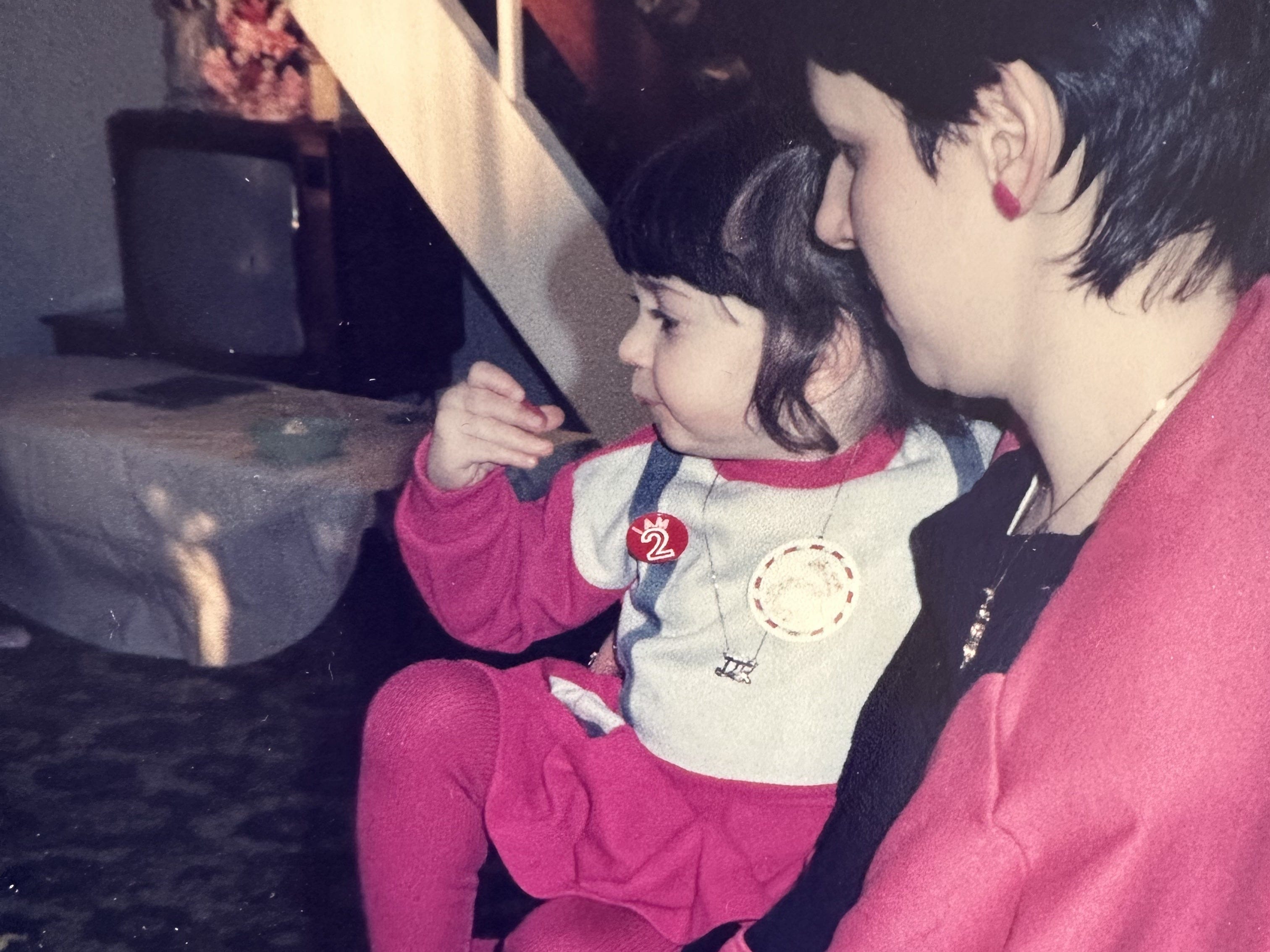
The homeopathy helped to keep my immune system strong and helped keep my joints from being damaged by the disease, which was a major achievement (one that I was only able to truly appreciate when I became and adult and was able to see what my life could have been had that not been the case), but it was always like there was a piece missing from the puzzle because I was never free of the disease completely and I would have dreadful yearly flare-ups that would result in time off school and a watered-down version of childhood.
And, there were indeed missing pieces that would be impossible for my parents to find with the scant resources they had. They put any money they had (not a lot) into bi-monthly homeopathy appointments, herbal supplements, and spiritual healing, and they simply didn’t have access to the sort of information - or people - that could help them further.
Next to the other kids with arthritis at my weekly group hydrotherapy sessions, I was noticeably healthier. It was very easy to see the rapid decline of these kids’ bodies due to the high doses of steroids: they weren’t growing properly, their limbs were shorter, thinner hair, puffy faces, way stiffer joints than mine. As time went on the girls weren’t getting their periods, they were gaining secondary conditions that then required more medication, most of them ended up with joint damage and needing joint replacements…
All the things the doctors told my parents would happen to me if they didn’t give me the drugs.
And some of them died.
But there I was, growing normally, looking normal, not coming down with every cold and virus like these other kids, and generally developing properly. So, despite still having arthritis, I was better off than I could have been.
But next to my school friends, I certainly wasn’t “normal”. The arthritis affected me in many ways - my joints were always swollen so I had to wear special shoes at school, sit on a chair in school assemblies while my friends were on the floor, I couldn’t go to soft play parties or roller skating parties and couldn’t do any sports. And the uveitis wasn’t great at all - in fact, I was having steroid eye drops into the eye multiple times a day, and even ended up needing injections into the eye, as young as 6 years old, when the uveitis would flare.
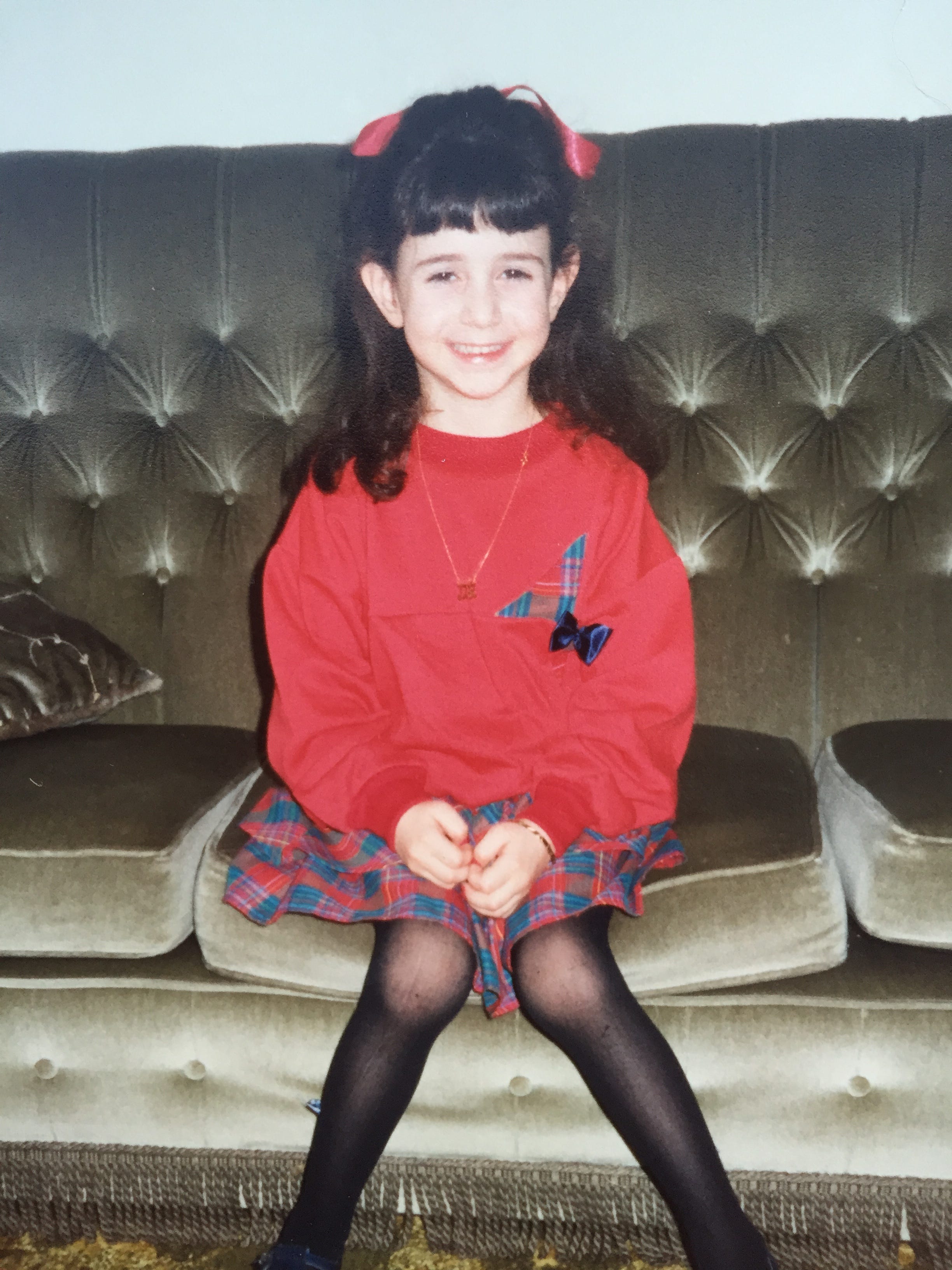
See, my mum didn’t want to give me the oral steroids, but she was so scared about what would happen to the eye without the topical steroid eye drops. With the eye, you couldn’t really see what was going on; we had to wait for our 4-weekly appointments at the hospital (by this time, Great Ormond Street) for the ophthalmologist to look into the eye with the slit lamp machine in order to know if there was inflammation or an increase in uveitis cells. So she never wanted to risk not giving these to me.
She did what she thought was best at the time - I probably would have done the same - but it’s only now that we realise just how much those steroid eye drops (that the doctors assured us did not affect the body in the same way) affected my both body as a whole and also the eye itself.
One sunny day in June 1991, when I was 7 years old, my eye felt strange. I came out of school and walked towards my mum, only to see her face contort into an expression I have never forgotten. She scooped me up, told a friend to take my little sister home, and rushed me to hospital.
My eye had turned grey - what we later found out was what happens if there are so many uveitis cells in the eye that they start becoming visible: very rare. VERY dangerous.
I was admitted to St Thomas’ Hospital (which I didn’t mind because the ward overlooked The Thames and Big Ben) and stayed there for a week while they put me to sleep and injected steroid into the eye until the inflammation came down.
It came down enough for me to go home, but those injections of steroid into the eye created huge amounts of secondary damage; something I’d have to deal with later.
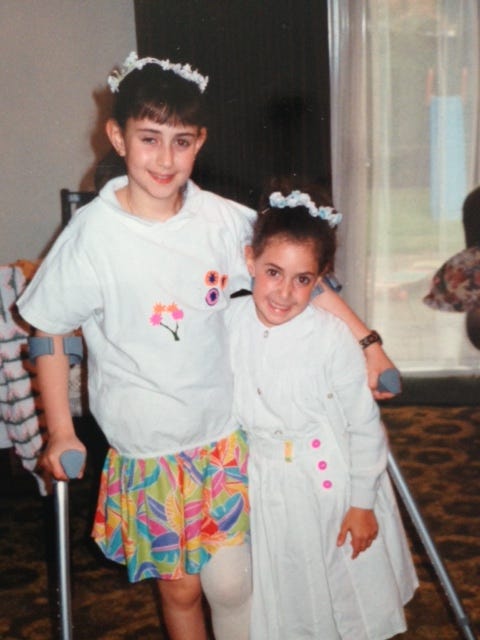
A few months later, my joints flared terribly, and I ended up having to have both knees, both ankles and one finger in my left hand drained and injected with steroid. The picture above was taken not long after this extremely traumatic experience; knees swollen, ankles that couldn’t have much weight on them, and an eye that didn’t open properly.
At some point around this time we went to Disney World in Florida. The knees swelled with fluid the Friday morning before we were due to fly on the Monday. If I didn’t want to ruin everyone’s chance to go to Disney World, I had to have the knees drained with no sedation, right there in the hospital on the Friday morning. Subsequently, I was the 8 year old in a wheelchair at Disney World.
But life went on.
My teenage years were a lot calmer. I managed to maintain a sense of normalcy that I wasn’t able to do in my primary school years. Many kids at my high school didn’t even know I had arthritis, and I did everything I could to keep it that way.
I discovered my love of acting, and started focusing on that; for the first time having something that was truly mine outside of illness; in my acting classes I wasn’t “the girl with arthritis” as I’d been at primary school. I found a place where I wasn’t defined by disability. During this time I had only one or two flare-ups a year and came through them quite quickly. All my focus went into proving to the world that I was normal, and finding ways to fit in - I didn’t realise it at the time, but I was trying to heal the wounds I’d suffered as a younger child completely defined by dis-ease. Of course, I went to ridiculous extreme measures to “fit in”; I obsessed over boys, social climbed, and stopped eating.
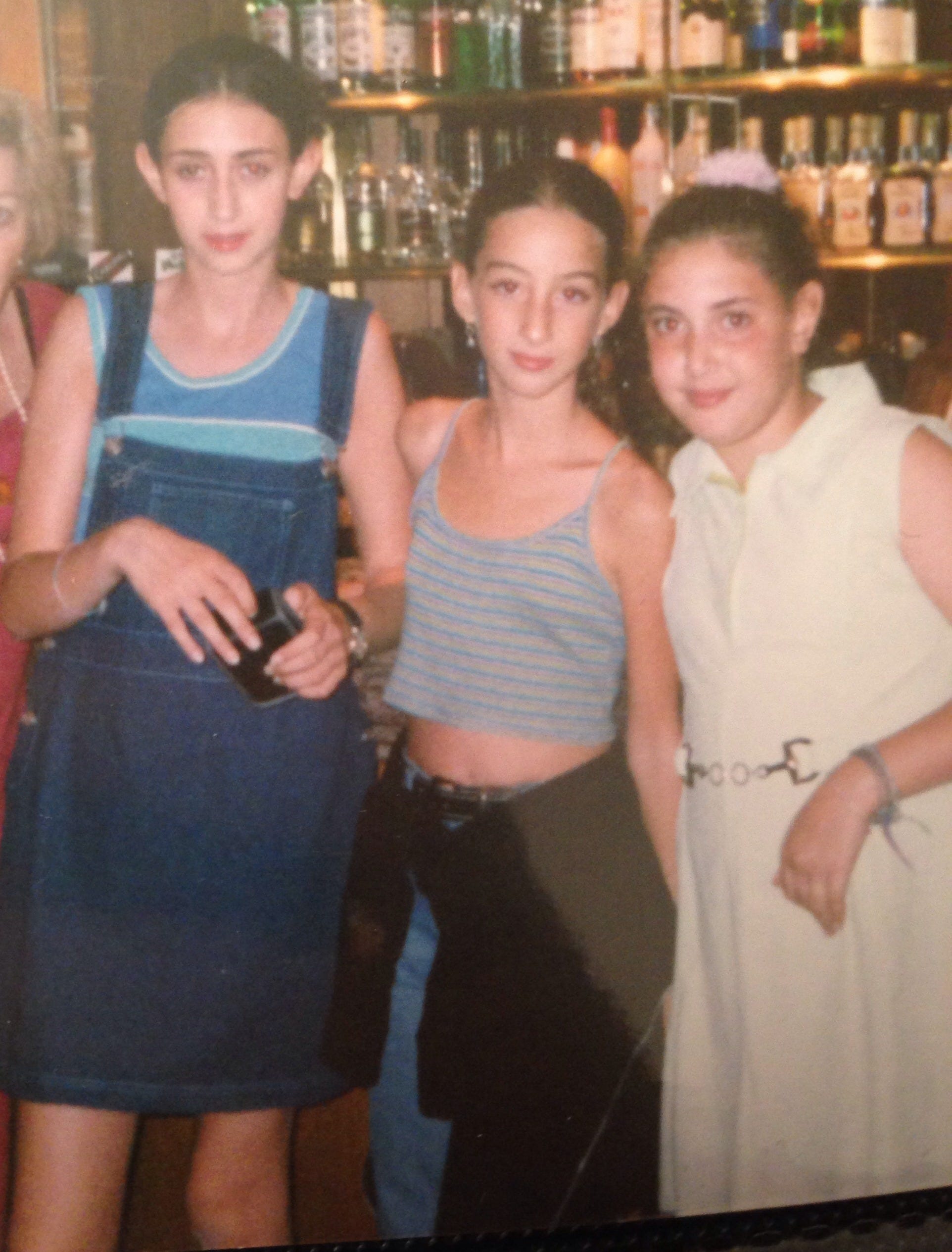
That phase thankfully passed - though it would take decades until I was able to love the body that never felt quite like my own, a body that had been taken over by something that wasn’t mine - and I left school at 16 to pursue performing arts school. I was signed to an acting agency and was getting small parts here and there and being on set was pretty much the best feeling I’d ever experienced my entire life and I wanted more.
The first year of college was everything I ever wanted and more. My body was keeping up, I loved that “school” meant wearing what I wanted, learning about method acting, musical theatre, plays and more. The rest of the college called us the “performing tarts”; every day we’d raid the costume department and walk around the college in whatever radical costume we wanted, the IT students thinking we were nuts. I loved it. I was socialising, partying and genuinely enjoying life.
But in my second year, at 17, I suddenly had a huge flare-up that wouldn’t go away, despite my willing it to. I had an audition coming up for our big college play and I wanted to audition for one of the main roles. Though it was a musical and I knew dancing wasn’t my strong suit (understatement), I knew one of the roles would suit me. But my knees just kept getting worse. Turns out the eye was also in a huge flare and the ophthalmologist broke the news that the reason my vision was now barely there in the eye was because the years of steroid eyedrops and injections had caused multiple cataracts to grow over each other. They were pushing against the optic nerve and had pushed the pressure down dangerously low, but the inflammation was too high for them to operate. I was being told that my only option was to start a chemo-based drug called Methotrexate, which would hopefully bring the inflammation down enough to enable them to remove the cataracts, something they couldn’t do while there was so much activity in the eye.
I had the knees drained once again, but this time the very large needle went in too deep and damaged something at the back of my left knee, which prevented me from ever being able to straighten my knee fully again. I stumbled back into college on crutches, got a small part in the chorus line of, ironically, A Chorus Line, and succumbed to taking Methotrexate. At 17, I decided that I was an adult, and had the attitude of “what’s this homeopathy done for me my whole life if this is where I am?” Much to my mum’s dismay. She begged me not to take it. And of course, she was right.
Within 3 months of taking the drug I lost all my life force. I felt extremely unwell, bloated, nauseous, exhausted, covered in ulcers. It felt as though the arthritis was spreading… couldn’t be, could it? 15 years of just 4 joints (plus the finger in the left hand that came on when I was 9), and all of a sudden, I start taking a medication that was supposed to help and now my jaw hurts, and my toes are stiff, and my hips feel weird?! Turns out that’s exactly what was happening.
Within 10 months of taking Methotrexate, the arthritis had indeed spread to every joint in my body. I lost around half of my hair, and it turns out the reason I was feeling so deeply unwell was because it had damaged my liver. The reasons for this are multi-faceted and require a deeper conversation, which perhaps I’ll go into another time. (I wish I had pictures to post here from this time so you could see just how sick I was, but it wasn’t common to document stuff like this back then, and I didn’t let anyone take any photos of me).
With no use of my joints and now in a wheelchair, my mum pushed me into my rheumatologist’s office in the wheelchair, only for her to tell me that “MTX works for 70% of people and doesn’t work for the other 30%. You fall within the 30%”.
She also called me “Laura”, and didn’t bat an eyelid at me being in a wheelchair, despite having known me since I was 4.
I realised at that moment - 18 years old and now completely disabled - a few things that would go on to change my life:
That I was not a statistic; that there must be more to what makes the human body work and not work than the linear, reductionist conclusions of people trained to think pharmacalogically
That my rheumatologist expected it to go this way as she had no frame of reference other than people deteriorating over the years and her only job was to “manage symptoms” and not think about each patient individually
That disability wasn’t going to be my story; wellness was.
How I would make that a reality is the story of the next decade.
I committed fully to finding all the answers to what truly makes a human body and mind work and not work, and doing whatever it takes to get there.
I immersed myself in intensive self-study (this was 2002 so I didn’t have the sort of access to information we now have). It was far from linear or easy. And there were many times I wanted to give up.
But I kept going.
Along the way I was fortunate enough to meet amazing teachers and mentors, people who taught me about holistic healing, how to read, understand and find flaws in medical research, and somehow, these people kept coming into my life.
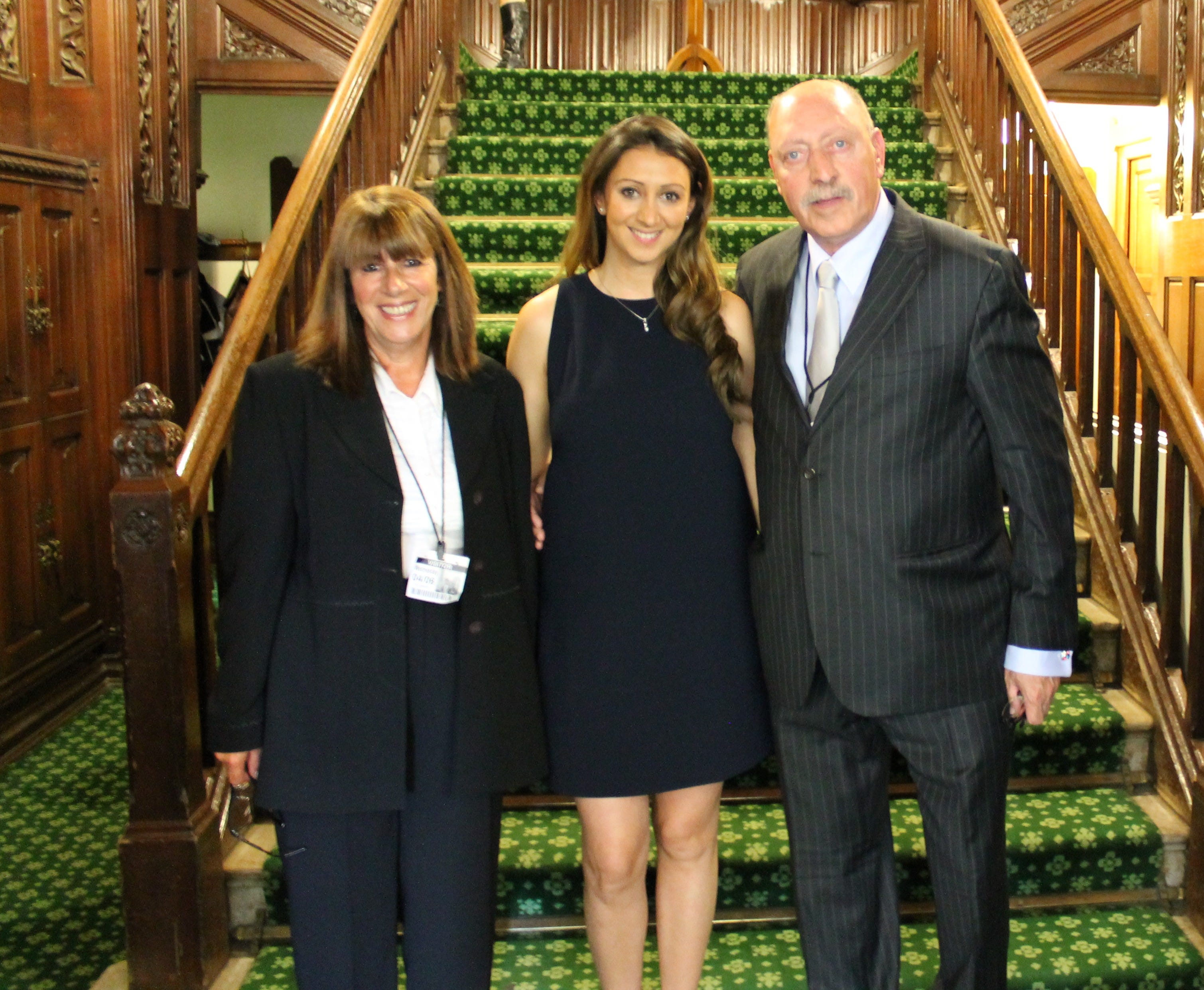
But no one else could save me or heal me. It had to be a choice. I could have the best guidance in the world but without making a choice that healing was the only option, I could not have healed.
I realised then just how much my mum’s choices saved me. Had my body been damaged by the steroids from childhood, healing would have been much harder and, even if I’d been able to heal the autoimmunity itself, I never would have been able to heal the joint damage or reverse the deformities. I looked normal (minus the thinned hair and damaged skin and other ways the MTX had affected me that were all reversible), and now I just had to heal the autoimmune response. I could do this. And I found a deep gratitude for what the homeopathic approach - and my mum’s gut instinct - had done for my future.
(You can listen to this episode I recorded with my mum on my podcast about our whole journey.)
This article isn’t to talk about all the steps I took - that would take far too long and that is what my work is centred around: showing people just how to do this for themselves.
This is to illustrate the most important lesson I learned on my very long journey…
If you want to heal one part of yourself, you have to heal the whole self.
When I was doing all the right things physiologically speaking (nutrition, detoxification, deficiencies, movement etc etc) and it still wasn’t fully taking root, I looked to my emotional state: what emotions and trauma were trapped inside me and how could I heal that? Then my mental state: how can I wire my brain out of disability thinking so that my body can follow suit?
And lastly, my spiritual practice, the piece that underpins and solidifies it all.
It took me more than 10 years, but at 29, I finally went into remission and have been there for 13 years now, able to maintain it as a result of the whole-person approach that my journey enabled me to discover.
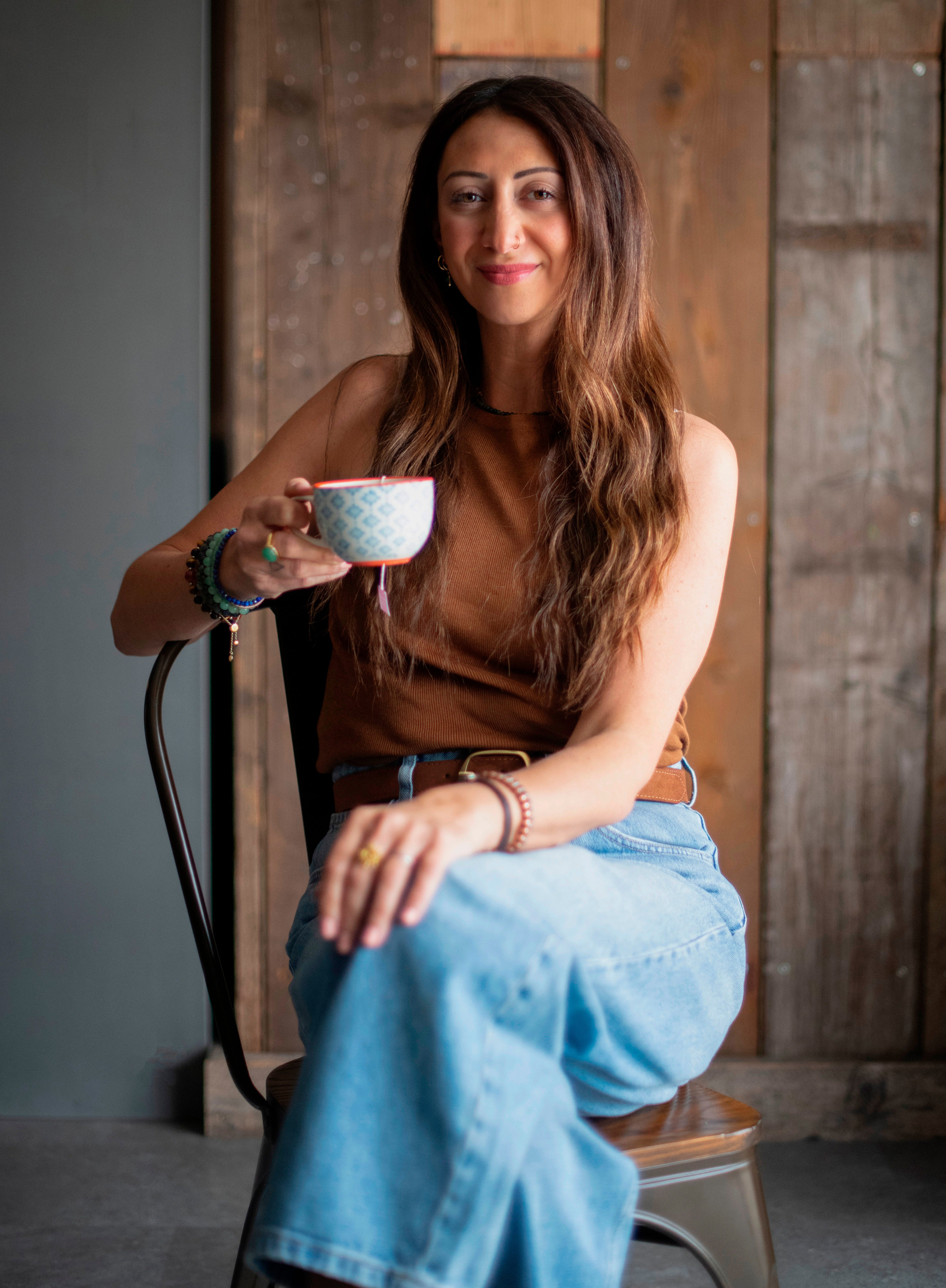
There are of course many more parts to this story that can’t be covered in one article, but if you’re navigating dis-ease, or your child is, my intention with this article is to give you HOPE, that anyone can heal with the right approach.
I had the highest ever flare meter reading recorded at Moorfields Eye Hospital, and I still healed uveitis. I had no use of any joint in my body, couldn’t take myself to the toilet or feed myself or even sit up straight, and I healed - all of it: joints, organs, immune function and beyond…
And yes, I do believe anyone can heal. If they want to, and are willing to do what it takes, anyone can heal.
So, this Substack is a way for me to feed through bits of knowledge, information and guidance to help anyone on their journey to wholeness, whatever that looks like for you.
You can of course listen to my podcast, Reconditioned, for more on all of this, and if you’d like to go further on your own journey with me, that’s what my RISE Membership is for.
And of course if you find what I’m saying helpful and would like to support me in bringing more guidance your way, please consider upgrading your subscription here to paid. It’s only a few pounds a month, but enables me to spend more time here…
Comment below to let me know which parts of this you would like to hear more about, which parts resonated, or how this made you feel if you’re on your own journey.
As always, in love & health,

Wow, what an inspiring (and painful) story. You are quite a rock star!
Never tire of hearing your story Lauren 💓💓💓 thankyou xx